Skip to main content Skip to page navigation
Main menu Share
Australian Government
Our ocean heading
two children sitting on a rock looking out to the sunset over the ocean

Our ocean - Partnering for our ocean

  • Our vital ocean
  • Ocean under pressure
  • Partnering for our ocean
  • Sustainable ocean economy
  • News and resources
Share
  • Facebook
  • Twitter
  • LinkedIn
  • Email
  • Copy link
Skip to page navigation

Partnering for our ocean

Australia is a world leader in sustainable ocean management. At home, we work with:

  • governments and communities
  • a broad range of ocean users and stakeholders.

We also partner with our regional neighbours and global allies.

We face challenges and share opportunities together. This approach:

  • ensures economic and social benefits from the ocean grow
  • safeguards a healthy ocean for future generations
  • promotes national and regional security.

Image credit: Chloe (Australia’s ocean art competition winner, 3 to 10 years old category)
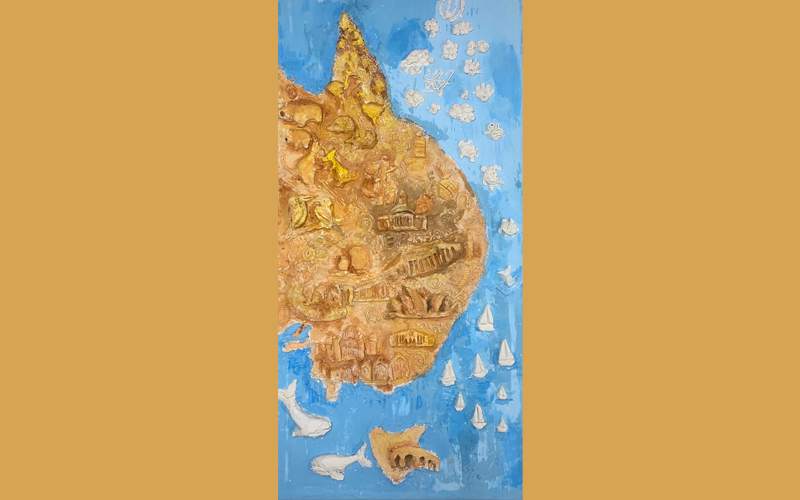
artwork of australia and the ocean
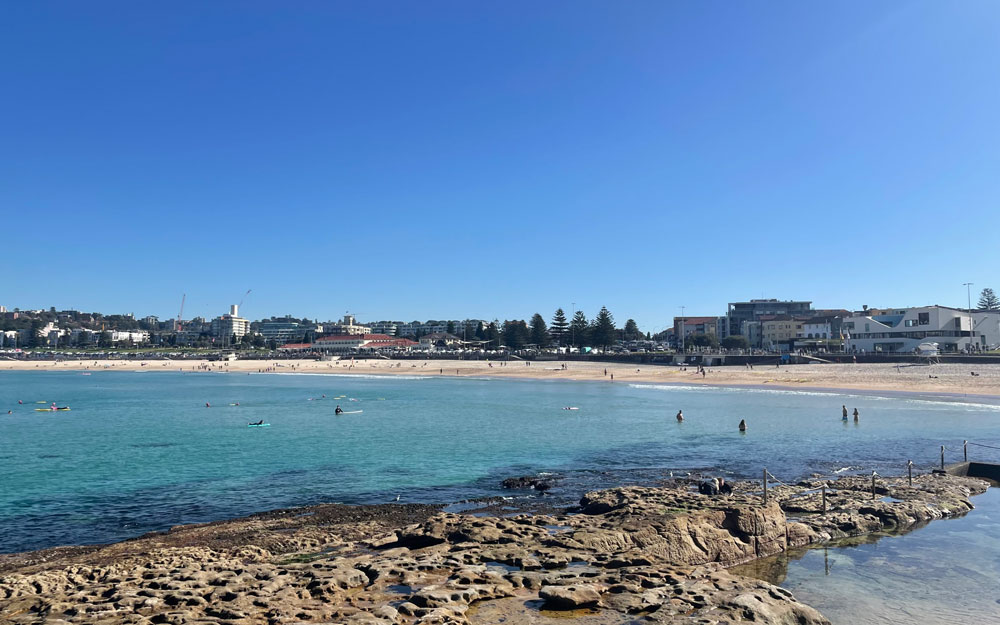
Beach with city in background

We manage our ocean territory across 3 levels of government.

Local governments manage many issues in the coastal zone. This is the critical boundary where the land meets the sea.

State and territory governments generally manage waters from their coastlines out to 3 nautical miles (about 5.5 km).

The Australian Government manages:

  • the rest of our ocean to 200 nautical miles offshore (about 370 km), including Australian Marine Parks
  • our extended continental shelf
  • the waters around our external territories, such as Norfolk Island and the Australian Antarctic Territory.

In some instances, the Australian Government and relevant state or territory government work together to manage an area, such as the Great Barrier Reef Marine Park.

Image credit: Jordan Dwyer

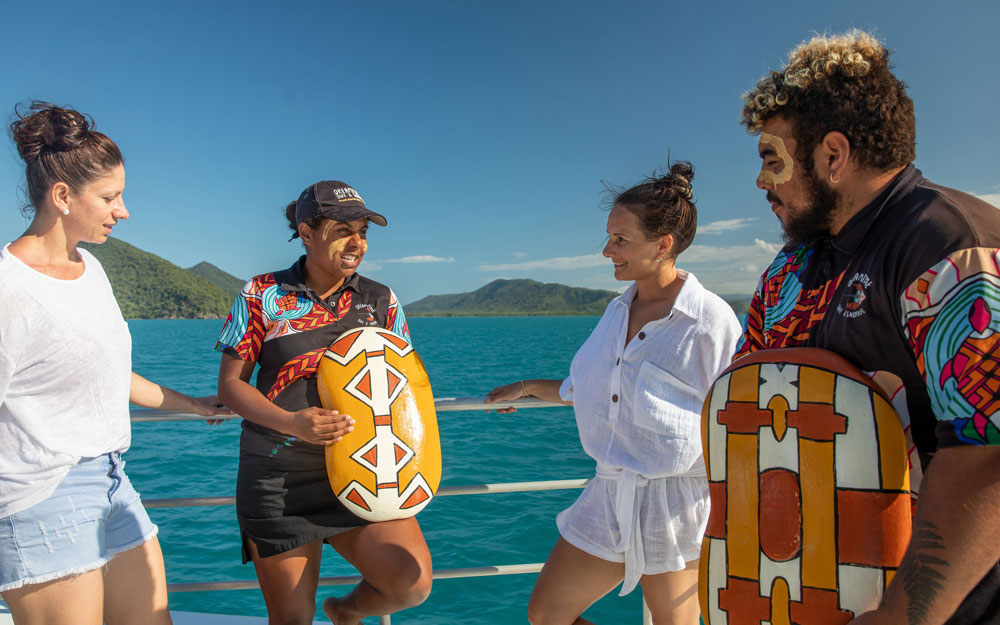
First Nations peoples play an important role in sea Country management.

Caring for sea Country is a cultural responsibility for Traditional Custodians. Protecting and restoring cultural and natural values of sea Country helps:

  • preserve traditions, heritage and cultural practices
  • support the shared guardianship of sea Country for future generations.

Rights and interests of First Nations peoples continue to be recognised or granted over areas of sea Country and coastline.

This includes access rights.

Image credit: Tourism and Events Queensland

Two people talking to two First Nations people about First Nations art
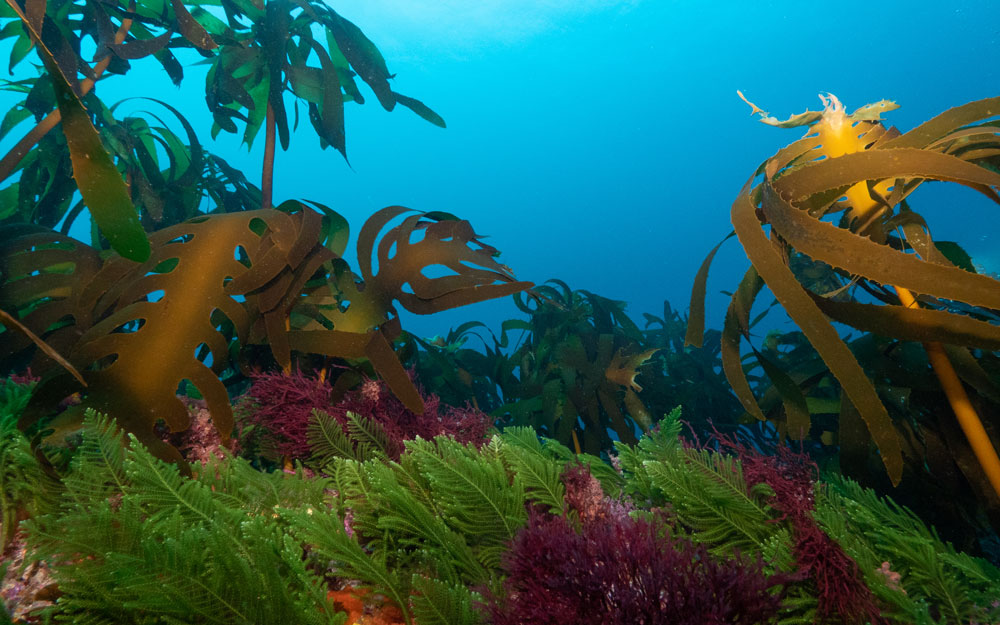
Colourful seaweed under the ocean

Marine industries use many areas of our ocean. They strive to:

  • operate sustainably
  • respond to the changing environment.

Many of them:

  • take action to conserve the ocean, such as by restoring ecosystems or cleaning up beaches
  • put eyes-on-the-water to help track environmental conditions and unusual activities.

Image credit: Ocean Imaging/Great Southern Reef Foundation

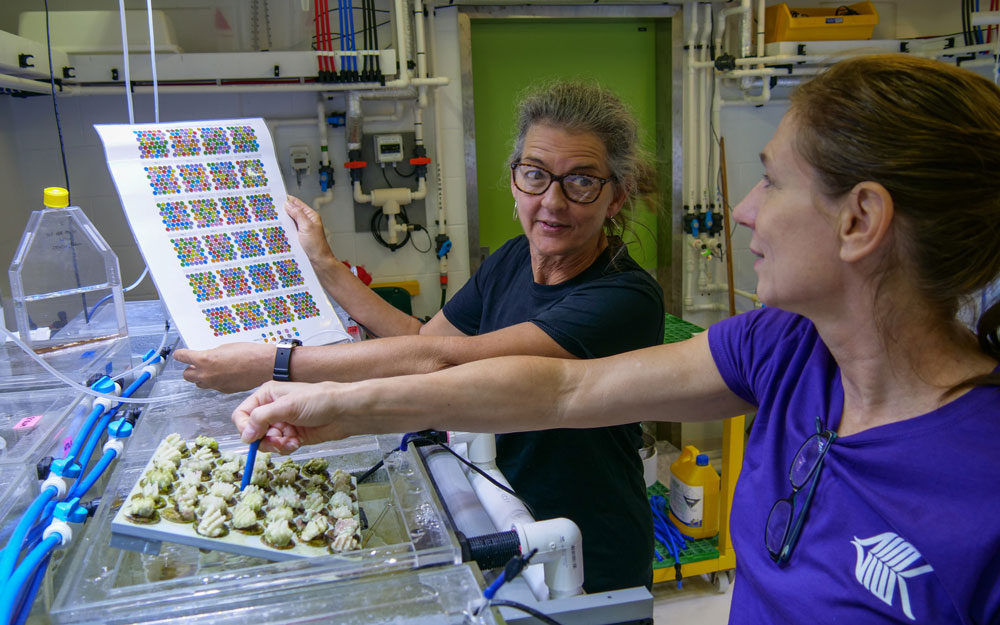
Australia’s marine research is world-leading. We collaborate around the world to:

  • better understand shared threats
  • find solutions.

Many other groups and people help care for our coasts and ocean. This can include non-profit groups, conservationists and citizen scientists. For example, they help:

  • build our marine knowledge
  • deliver on-ground and on-water conservation activities.

Image credit: Jo Hurford/Australian Institute of Marine Science

Two people discussing their scientific results
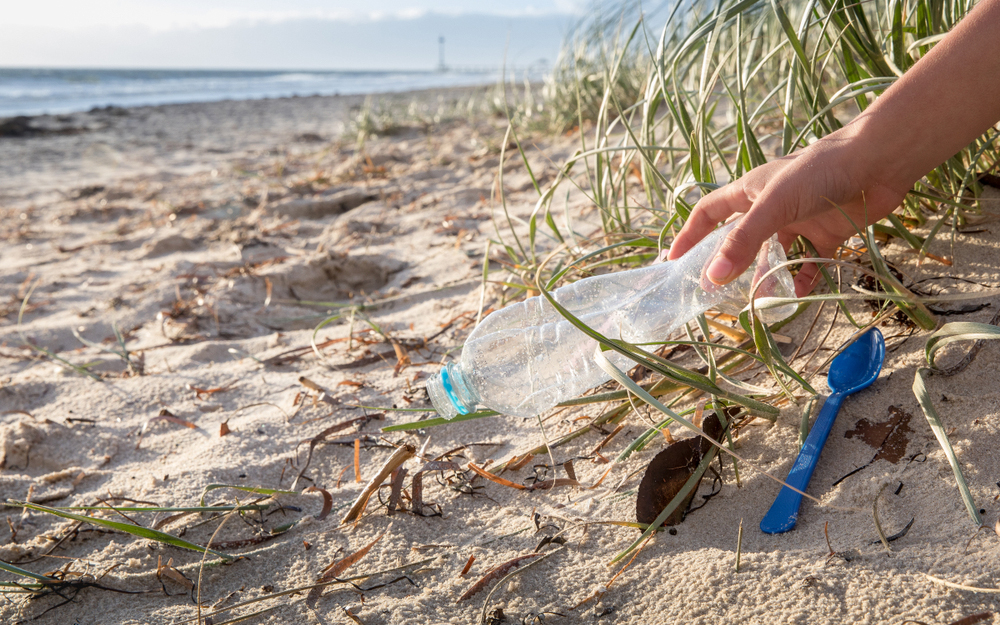
a hand picking up a plastic bottle on a beach

Every Australian has a role to play in looking after the ocean and the coastal places we love. We do this when we:

  • keep our beaches clean
  • refuse, reuse and recycle plastics
  • fish with care, take only what you need and dispose of fishing gear properly
  • join in marine-related citizen science activities
  • use ocean-friendly sunscreens
  • respect marine and coastal wildlife and plants.

Initiatives to manage and conserve the ocean begin with collaboration. People come from many backgrounds and interests, such as:

  • various levels of government
  • First Nations communities
  • industry
  • ocean users and communities
  • non-profit groups
  • research institutions.

Partnerships that draw on diverse experiences and shared values can provide many benefits.

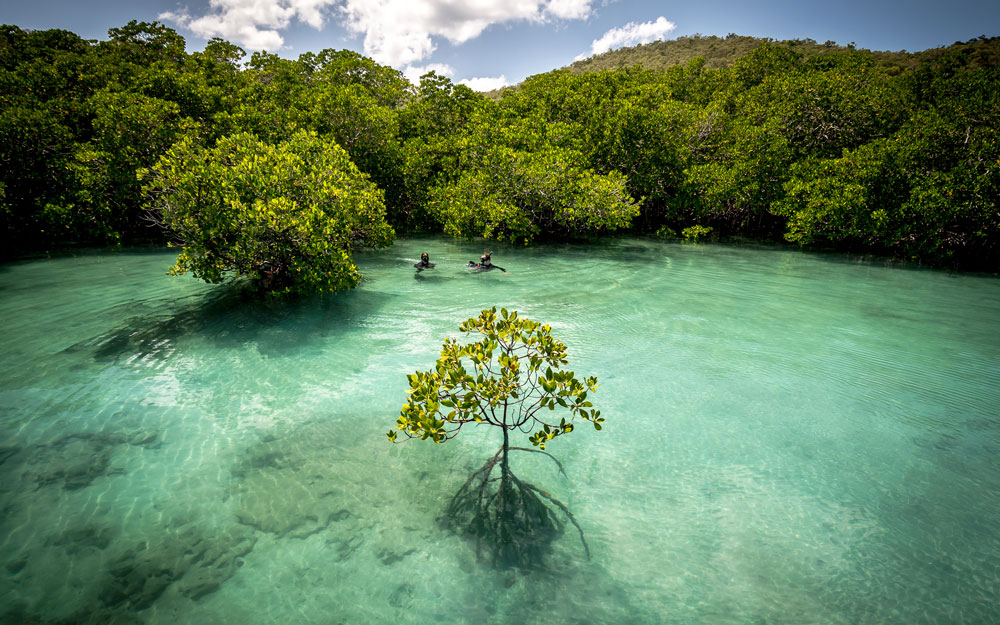
Image credit: Matt Curnock/Ocean Image Bank

Trees in ocean
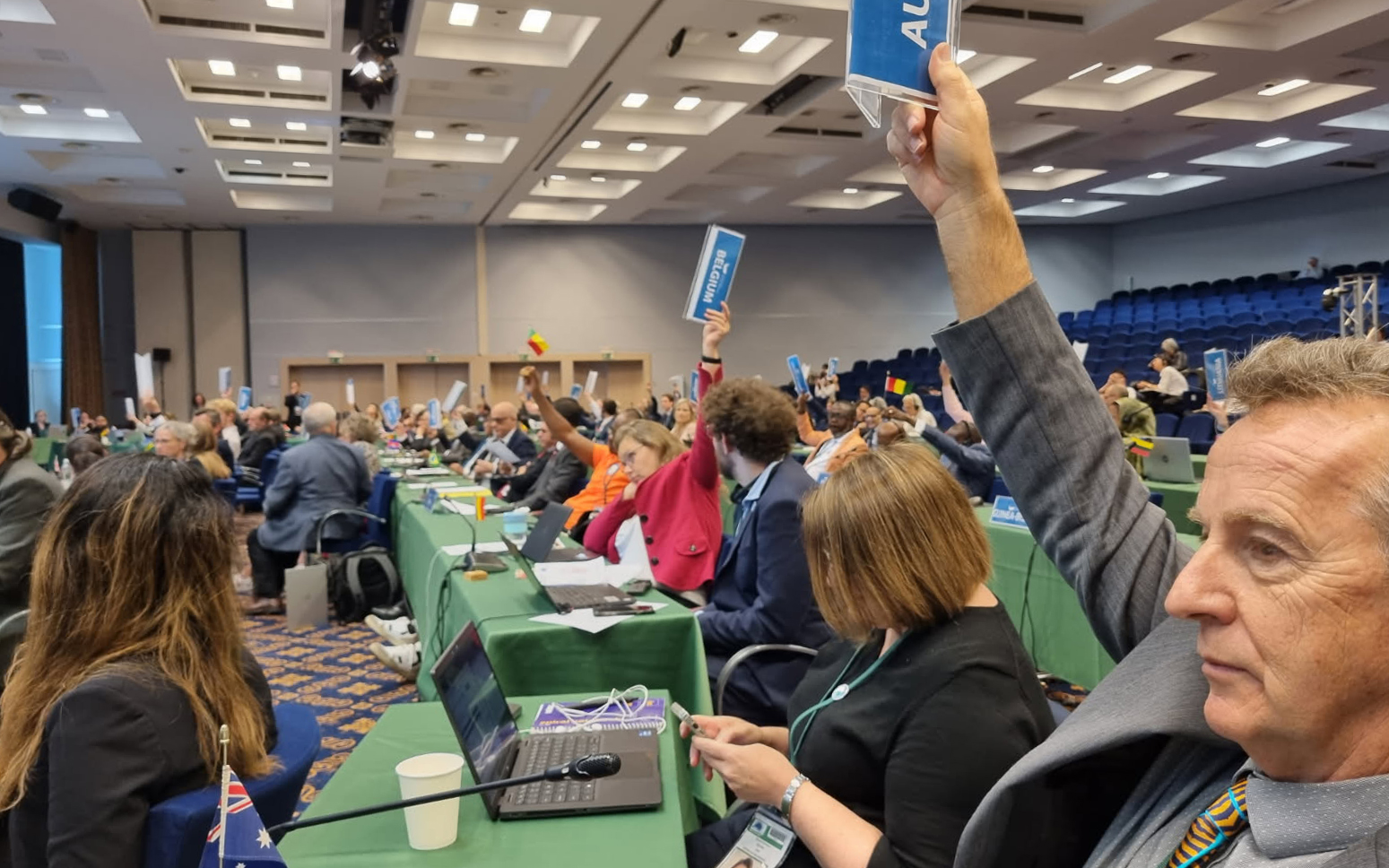
people sitting a tables with hands up voting on items

Australia takes part in ocean forums within our region and globally. We share our experience, learn from others and influence initiatives.

We work alongside other countries and partners to:

  • address global and transboundary threats to ocean health
  • capitalise on opportunities for the ocean economy
  • advocate for sustainable ocean management
  • learn from others
  • unlock finance for nature.

Find out what a sustainable ocean economy is

Image credit: Adam Clark

Thanks for your feedback.
Thanks! Your feedback has been submitted.

We aren't able to respond to your individual comments or questions.
To contact us directly phone us or submit an online inquiry

CAPTCHA
This question is for testing whether or not you are a human visitor and to prevent automated spam submissions.

Please verify that you are not a robot.

Skip
dcceew energy art

Footer

  • Contact us
  • Accessibility
  • Disclaimer
  • Privacy
  • FOI
  • Copyright
Last updated: 29 October 2025
DCCEEW footer 06.02.2024

Connect with us

Facebook Instagram LinkedIn

We acknowledge the Traditional Owners of Country throughout Australia and recognise their continuing connection to land, waters and culture. We pay our respects to their Elders past and present.

© Department of Climate Change, Energy, the Environment and Water