Skip to main content Skip to page navigation
Main menu Share
Australian Government
image of chemical

Per- and poly-fluoroalkyl substances (PFAS)

Australian information portal

  • About PFAS
  • Potential health effects
  • Defence management
  • Environment impacts
  • Agriculture
  • Airports
  • Independent review
  • Contact
Share
  • Facebook
  • Twitter
  • LinkedIn
  • Email
  • Copy link
Skip to page navigation

About PFAS

Last updated: 19 October 2026

Per- and poly-fluoroalkyl substances (PFAS) are a group of over 4,700 synthetic chemicals. Some PFAS are very effective at resisting heat, stains, grease, and water, making them useful chemicals in a range of applications including:

  • stain- and water-resistant fabrics
  • paper coatings
  • metal plating
  • specialised firefighting foams
  • cosmetics
  • medical devices.

The Organisation for Economic Co-operation and Development (OECD) defines PFAS broadly, including many substances that have never been used commercially. PFAS are defined as fluorinated substances that contain at least one fully fluorinated methyl or methylene carbon atom.

Read the full OECD report and practical guidance on PFAS terminology

PFAS can enter the environment at any stage during their lifecycle, from manufacture to disposal. The PFAS of greatest concern do not break down naturally in the environment and they can travel long distances from their sources.

Global use of PFAS has led to some PFAS being found in many parts of the environment. Due to growing concerns many countries, including Australia, are taking steps to phase out PFAS use. Research is ongoing to better understand the risks and behaviour of PFAS.

Find out more about PFAS

products that may contain PFAS
sprinkler over crops

PFAS and human health

Humans can be exposed to PFAS present in sources such as food, drinking water, consumer products and dust.

An Australian Expert Health Panel concluded that there was international evidence for associations between exposure to a few PFAS compounds and some health effects. These effects include increased blood cholesterol, reduced kidney function and some alterations in immune response.

This Panel found that the reported differences were small with no evidence of substantial impacts on the individual’s health. These studies were considered by the Panel which found these associations are typically from places where chemicals are manufactured. This means that exposure levels are higher than in Australia.

An ‘association’ to health outcomes does not confirm a direct cause. An association is a relationship between 2 factors. Causation is where one factor is directly responsible for change in the other.

The NSW Health Expert Advisory Panel on PFAS found that based on the substantial research already undertaken, the health effects of PFAS appear to be small.

As the research into the health effects of PFAS evolves, we recommend human exposure be minimised. This is a precaution because these chemicals persist in humans and the environment.

Find out more about Australian health activities for PFAS

Managing PFAS contamination on and around Defence bases

The Department of Defence is using evidence-based and responsible methods to manage PFAS contamination.

The PFAS Investigation and Management Program is focused on monitoring, managing and remediating PFAS contaminated environments on and around Defence bases. This is due to the historic use of legacy fire-fighting foams.

The program manages the risks to humans, animals and the environment associated with PFAS contamination on and around Defence properties. Defence has finalised detailed environmental investigations for all affected 28 sites.

All sites have specific plans in place that recommend remediation and other actions to manage and reduce the risks, and the continued movement of PFAS from the Defence estate. Remedial works are underway, planned or complete at many sites.

Defence continues to monitor surface water, groundwater and soil. Monitoring helps understand if PFAS contamination is changing over time.

See the monitoring results for each site

Defence supports communities by providing drinking water where required, minimising further movement of PFAS from Defence bases, and by providing timely and relevant information.

Defence works closely with stakeholders, particularly state, territory and local governments, in responding to PFAS contamination.

Read more about the PFAS Investigation and Management Program

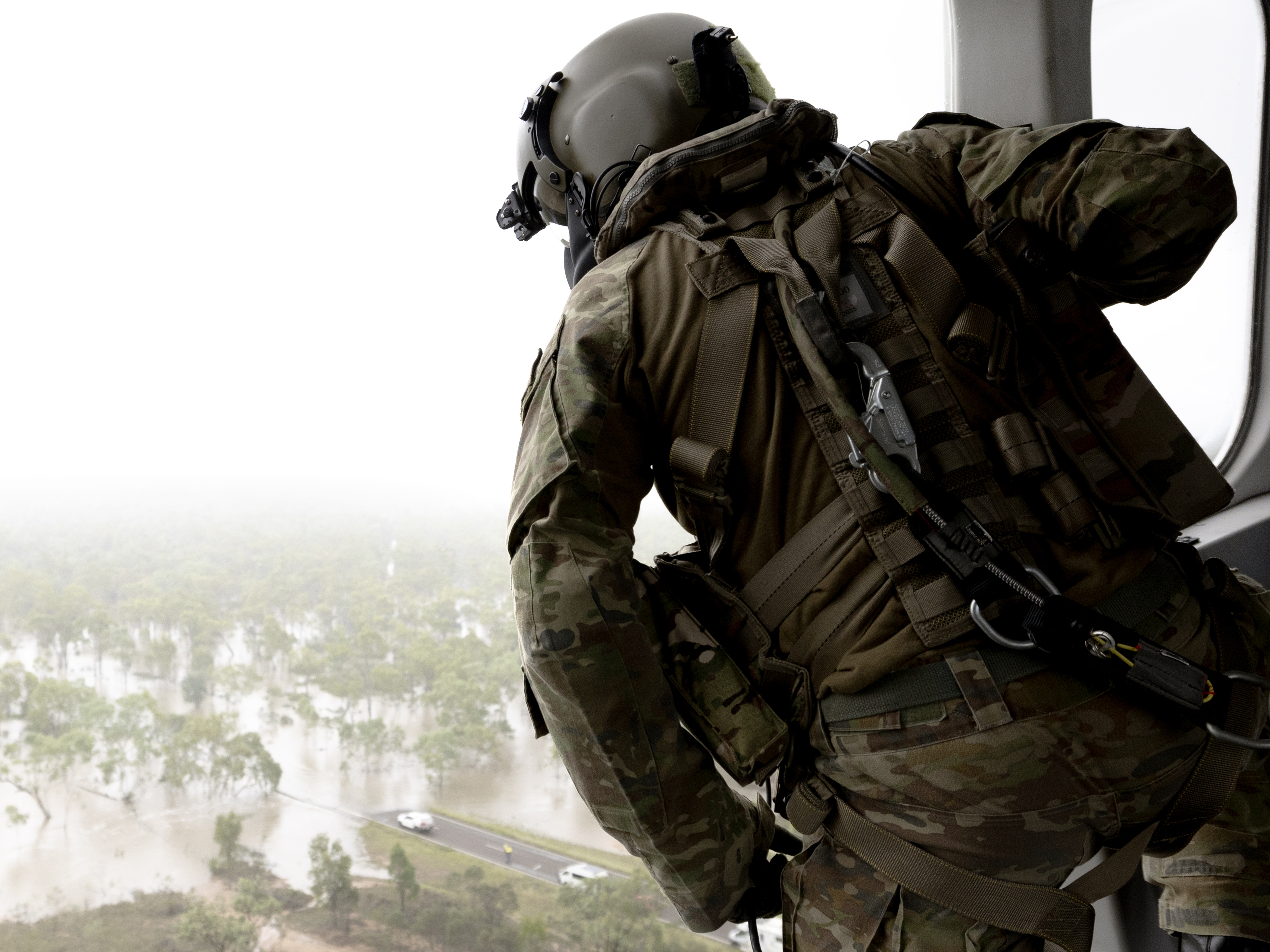
soldier looking out of a helicopter
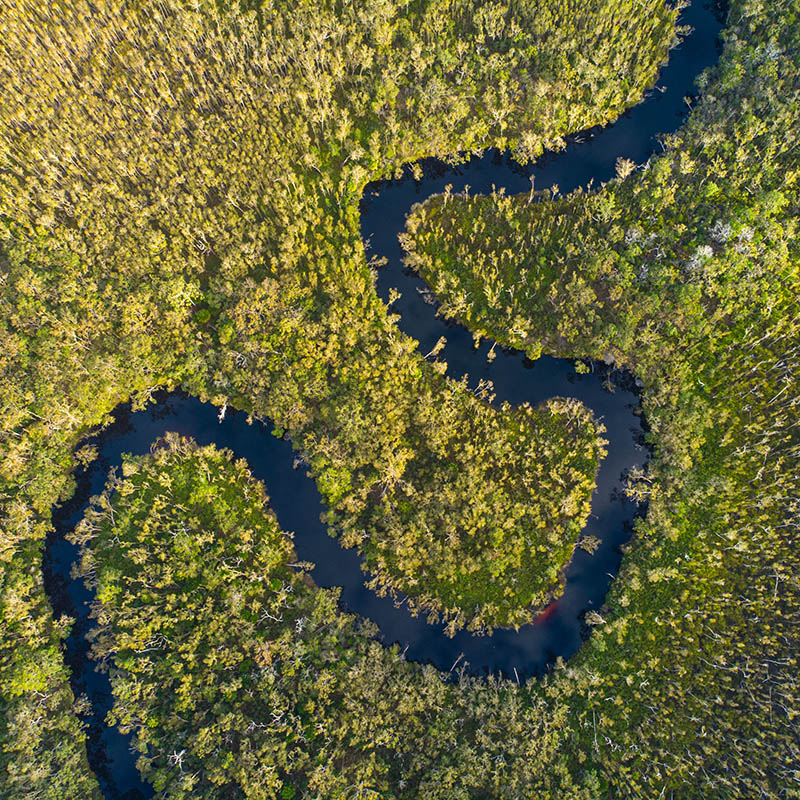
river weaving through a forest

Managing PFAS in the Australian environment

The Department of Climate Change, Energy, the Environment and Water (DCCEEW) supports Australia's efforts to protect the environment. This includes reducing the impacts of harmful chemicals, including PFAS.

Managing chemicals is a shared responsibility. Governments, industry and communities all play a role across the chemical lifecycle. This includes manufacture, import, export, use, and disposal. PFAS can enter the environment at any point in this cycle.

DCCEEW plays an important role in managing chemicals. We work closely with state, territory, and local governments to establish national standards that support consistent regulation and safer chemical practices. These efforts aim to reduce environmental risks and prevent harmful chemicals from entering the environment.

To reduce the impact of PFAS on humans and the environment, DCCEEW promotes consistent chemical management practices across Australia. The National PFAS Position Statement sets clear objectives to reduce the use and release of PFAS. DCCEEW uses a risk-based approach to ensure that actions are effective, sustainable, and focused on prevention.

This work is guided by the Intergovernmental Agreement on a National Framework for Responding to PFAS Contamination. DCCEEW supports a coordinated response across all governments. Better coordination leads to actions that are effective, economical and logistically sustainable.

Read about the work being done to protect Australia’s environment

Managing the effects of PFAS on agriculture

Guidance for farmers on managing PFAS in produce (meat and crops)

States and territory governments are responsible for managing contamination, except on Commonwealth land. They are also in charge of food and environmental protection guidelines.

Current research suggests that PFAS levels in Australian grown food are very low. Food Standards Australia New Zealand (FSANZ) has not set maximum limits for PFAS in food for Australia.

Crop farmers and livestock producers working on land contaminated by PFAS should seek advice on how to manage risks. They can contact their state or territory government for current information.

Read an example of the advice developed by the Queensland Government.

Selling to international markets

Crop farmers and livestock producers must ensure the food they sell to international markets meets the requirements of importing countries. Currently, the European Union has requirements for PFAS in livestock produce (meat and animal products).

Read more about:

  • Australia’s meat safety systems
  • Livestock Production Assurance (LPA) requirements. 
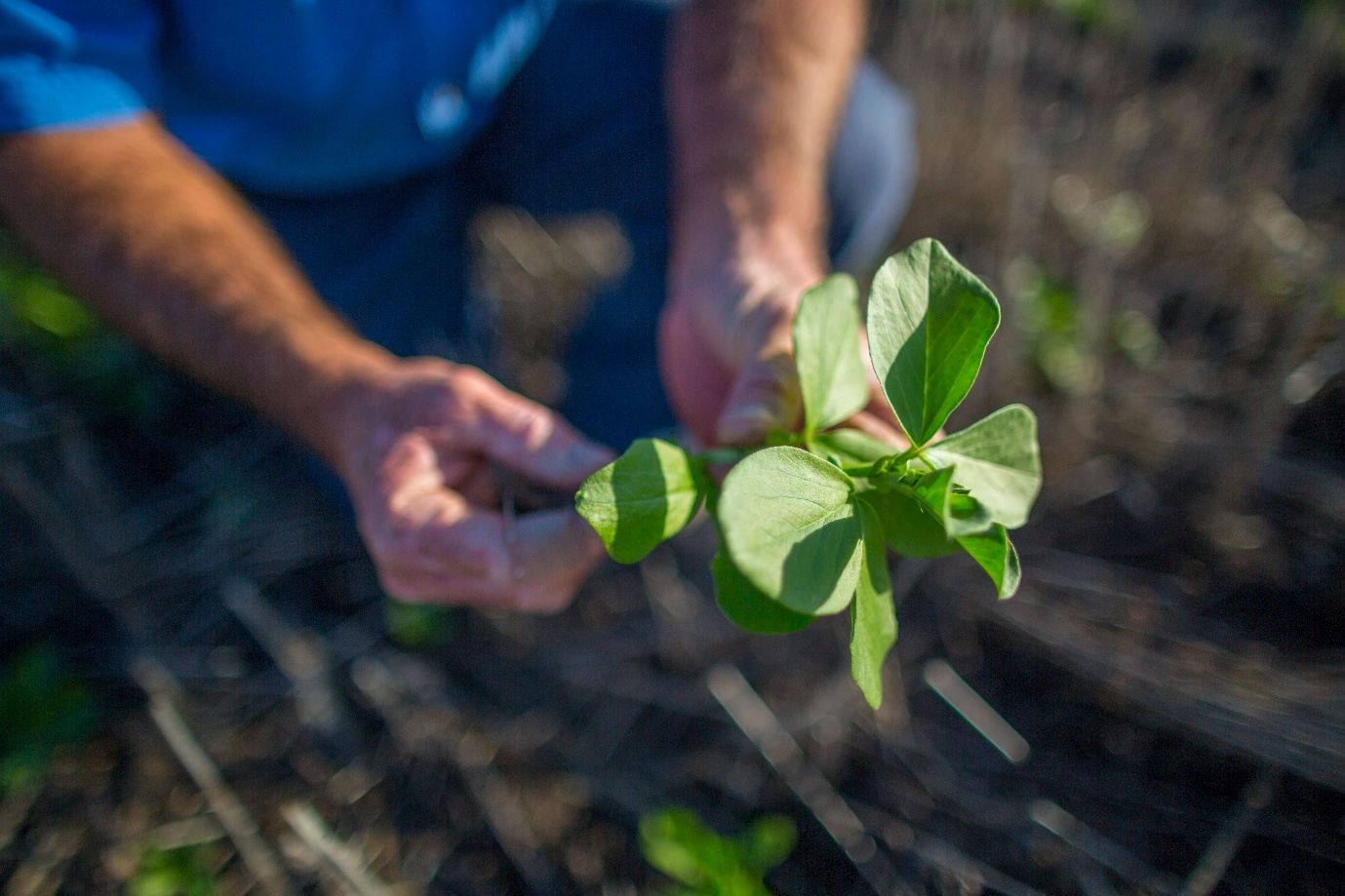
Photograph of a person's hands holding a green stem

PFAS at civilian airports

Airplane on runway at sunset

In 2021, the Australian Government commenced delivery of the $130.5 million PFAS Airports Investigation Program (the Program) at civilian airports where the Commonwealth historically provided firefighting services which used PFAS-containing foams.

The Program aims to determine the nature and extent of PFAS contamination at airports through independently audited site assessment, and to develop robust management plans to address any identified risks.

Find out more about the PFAS Airports Investigation Program


As a current provider of Aviation Rescue Fire Fighting Services on civilian airports, Airservices Australia is also responding to PFAS impacts associated with the historic use of PFAS-containing firefighting foams at and in the immediate surrounds of its lease sites.

Find out more about Airservices National PFAS Management Program

PFAS Independent review

On 5 December 2024, the Australian Government released the response to the Independent Review of land uses around key Defence bases impacted by PFAS contamination (the Review).

The Government agreed to 18 of the 19 Review recommendations.

Read more about the Government response to the PFAS Independent Review

PFAS National Coordinating Body

On 12 September 2025, the Assistant Minister for Defence announced the establishment of the PFAS National Coordinating Body.

This body will strengthen national coordination and integration of the response to PFAS across all levels of government to meet the needs of individual communities.

The Assistant Minister for Defence will have direct oversight of the National Coordinating Body, along with relevant State and Territory Ministers.

The National Coordinating Body will pilot initiatives in New South Wales through a Williamtown Working Group. Defence will provide the secretariat resourcing for the National Coordinating Body and the Williamtown Working Group for 12 months.

Williamtown Working Group

On 17 November 2025, the Assistant Minister for Defence announced the establishment of the PFAS Williamtown Working Group.

The Williamtown Working Group will improve the coordination of the PFAS response by progressing practical actions at a local level.

Members:

  • Department of Defence
  • NSW Government
  • local government
  • Williamtown and First Nations community.

Read about the Williamtown Working Group, including information on meeting outcomes.

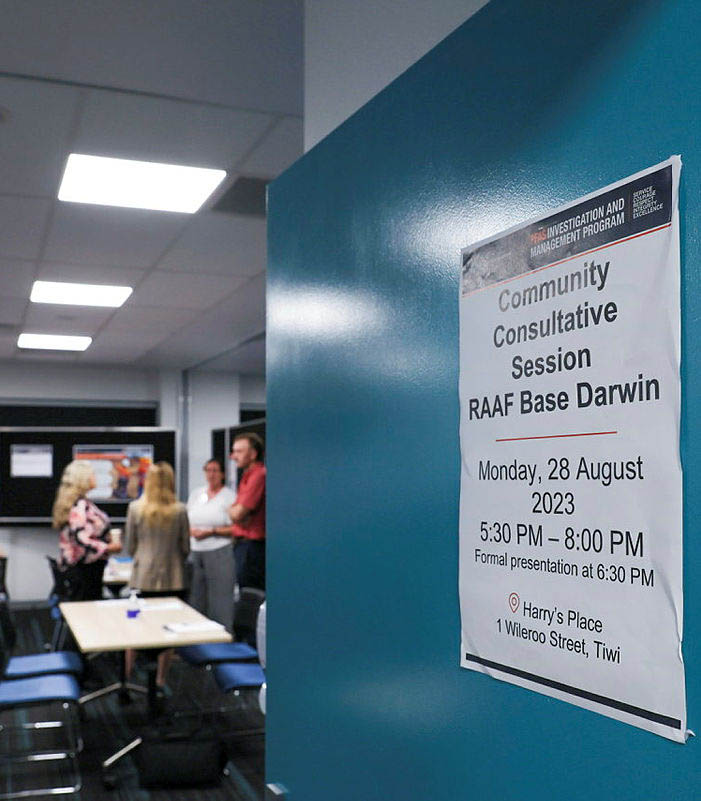
people in meeting room

Resources

The Australian Government works closely with state, territory and local governments, industry and the community. We all support efforts to safely manage PFAS.

These resources can help you understand what arrangements are in place. This includes how PFAS contamination is responded to and managed. This helps protect the environment and human health.

National position

  • National PFAS Position Statement
  • PFAS Intergovernmental Agreement

PFAS standards and guidelines

  • PFAS National Environmental Management Plan
  • PFAS Health guidelines
  • Industrial Chemicals Environmental Management Standard

Senate Select Committee on PFAS

  • Senate Select Committee on PFAS
  • Australian Government response to the Select Committee on PFAS

PFAS investigation and management

  • PFAS Investigation and Management Program
  • PFAS—Airports Investigation Program

Global PFAS action

  • Stockholm Convention on Persistent Organic Pollutants (POPs)
  • OECD Portal on PFAS

PFAS and human health

  • Expert Health Panel on PFAS
  • Food Standards Australia New Zealand Australian Total Diet Study 2021
  • Australian Drinking Water Guidelines
  • Australian National University PFAS Health Study
  • enHealth Guidance on PFAS
  • Australian Bureau of Statistics PFAS results from National Health Measures Survey

Who to contact

In Australia, responsibility for PFAS matters and regulating chemicals is shared between the Australian, state and territory government agencies.

State and territory governments look after the day-to-day regulation of pollution prevention and contamination management.

You can contact the relevant Australian Government department directly:

Australian Centre for Disease Control 
Email: enquiries@cdc.gov.au
Online enquiries: Webform submission

Department of Defence
Email: pfas.enquiry@defence.gov.au
Phone: 1800 333 362

Department of Climate Change, Energy, the Environment and Water
Email: Contaminants@dcceew.gov.au
Phone: 1800 920 528

Department of Infrastructure, Transport, Regional Development, Communications, Sport and the Arts
Email: pfas@infrastructure.gov.au
Phone: 1800 075 001

Department of Agriculture, Fisheries and Forestry
Online enquiries: Webform submission
Phone: 1800 900 090

For information about PFAS matters in your state and territory, including regulation of pollution prevention and contamination management please contact the relevant authority:

Jurisdictional agencies | nepc

About us

This is a joint initiative by the Australian Government. Responsibility for PFAS matters is shared by relevant portfolios, including Defence, Infrastructure, Health, Environment, Agriculture, Attorney-General's, and Finance.

Thanks for your feedback.
Thanks! Your feedback has been submitted.

We aren't able to respond to your individual comments or questions.
To contact us directly phone us or submit an online inquiry

CAPTCHA
This question is for testing whether or not you are a human visitor and to prevent automated spam submissions.

Please verify that you are not a robot.

Skip
dcceew energy art

Footer

  • Contact us
  • Accessibility
  • Disclaimer
  • Privacy
  • FOI
  • Copyright
Last updated: 19 October 2026
DCCEEW footer 06.02.2024

Connect with us

Facebook Instagram LinkedIn

We acknowledge the Traditional Owners of Country throughout Australia and recognise their continuing connection to land, waters and culture. We pay our respects to their Elders past and present.

© Department of Climate Change, Energy, the Environment and Water