Skip to main content Skip to main navigation Skip to page navigation Skip to search
Home

Top navigation main

  • News & media
  • Jobs
  • Ministers
  • Contact us
Main menu

AWE Main

  • Climate change
    Climate change Driving climate action, science and innovation so we are ready for the future.
    • Climate science and adaptation
    • Australia's climate change action
    • Reducing emissions
    • Emissions reporting
    • International climate action
    • Climate Active
    • Climate change publications and data
    • Australia’s National Greenhouse Accounts (Emissions Data)
  • Energy
    Energy Building a secure and sustainable energy system for all Australians.
    • Australia's energy strategies and frameworks
    • Energy and Climate Change Ministerial Council
    • Renewable energy
    • Reducing transport emissions
    • Energy data
    • Energy efficiency
    • Energy markets
    • Energy programs
    • Energy security
    • Energy supply
    • Energy workforce
    • Women in energy
    • International activity
    • Energy publications
  • Environment
    Environment Improving stewardship and sustainable management of Australia’s environment.
    • Biodiversity
    • EPBC Act
    • Environment Information Australia
    • Environmental markets
    • International environment
    • Invasive species
    • Land
    • Marine
    • Protection
    • Report a breach of environment law
    • Threatened species & ecological communities
    • Waste and recycling
    • Wildlife trade
  • Water
    Water Improving the sustainable management of Australia’s water supply for industry, the environment and communities.
    • Coal, Coal seam gas (CSG) and water
    • Commonwealth Environmental Water Holder
    • National Water Grid
    • Water policy and resources
    • Wetlands
    • Publications
  • Parks and heritage
    Parks and heritage Managing Australia’s iconic national parks, historic places and living landscapes.
    • Australian Marine Parks
    • Australian National Botanic Gardens
    • Booderee National Park
    • Kakadu National Park
    • Christmas Island National Park
    • National parks
    • Norfolk Island National Park
    • Heritage
    • Pulu Keeling National Park
    • The Great Barrier Reef
    • Uluṟu-Kata Tjuṯa National Park
  • Science and research
    Science and research Undertaking research and collecting data to support informed decisions and policies.
    • Climate change
    • Australia's biological resources
    • Australian Biological Resource Study (ABRS)
    • Bird and bat banding
    • Supervising Scientist
  • About us
    About us We lead Australia’s response to climate change and sustainable energy use, and protect our environment, heritage and water.
    • Accountability and reporting
    • Assistance, grants and tenders
    • Contact us
    • Fees and charges
    • News and media
    • Publications
    • Our commitment to you
    • People and jobs
    • What we do
    • Who we are
    • Initiatives
  • Online services
    Online services We do business with you using online platforms. This makes it easier for you to meet your legal requirements.
Department of Climate Change, Energy, Enviroment and Water

Breadcrumb

  1. Home
  2. About us
  3. News and media
  4. The Bega circular valley program
Skip to main content

Back to news - AWE

  • Back to news
Skip to page navigation

The Bega circular valley program

  • Case study
  • Environment
  • Waste
1 June 2026
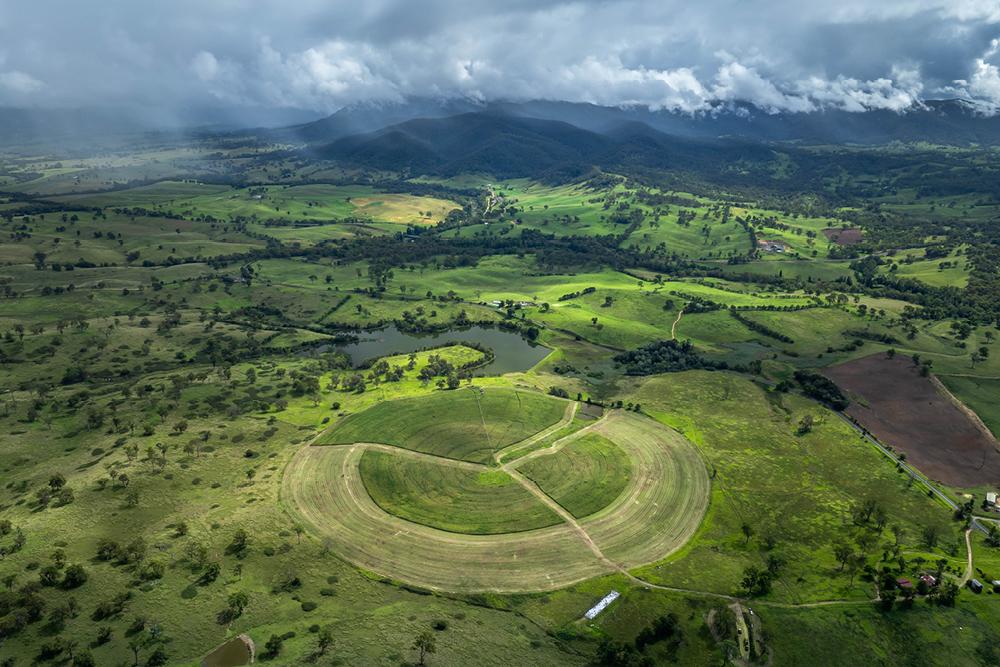
Photograph of Bega circular valley
Bega Valley

Bega Circular Valley

The Bega Valley Shire in New South Wales is on an exciting journey towards circularity. Bega Valley is known for agriculture and tourism. The region recently began transitioning to become the most circular ‘place-based’ economy in the world. This shift towards circularity will make the Bega Valley an even more vibrant, sustainable and resilient community for all those who live, work and visit there.

About Bega Circular Valley

The Bega Circular Valley program is a regional plan to help the Bega Valley become Australia’s most circular place‑based economy.

Its main goals are to:

  • Show how circular practices can benefit an entire region.
  • Test more circular ways of living across the whole economy.
  • Encourage the Bega Valley community to adopt circular habits and enjoy the benefits of a smarter, more sustainable lifestyle.
  • Share what they learn with other regions in Australia and around the world.

A practical program focused on real action

The program has a long-term plan for the next 20 years. It includes a blueprint with 24 work areas and a map that shows how to move away from the linear economy. The focus is on daily action. The goal is to run real projects that show what a circular transition looks like in a community, not just in theory.

There are more than 40 projects running across the Bega Valley. One project with CSIRO is measuring how circular the region is today. Another project is testing how farm plastics, like silage wrap, can be recycled and turned into useful materials instead of waste.

The program also supports local businesses already working in circular ways. It works closely with the many communities in the Bega Valley to help them take part in the transition.

One project focuses on organic farm waste. They use modern methods to turn manure into compost to be used across the farms. This compost:

  • improves soil
  • helps plants grow
  • reduces the need for chemical fertilisers.

Water use is another focus. Farmers are using rainwater harvesting and better irrigation systems. Dairy wastewater is treated and reused on farms, which reduces the need for fresh water.

Building Australia’s National Circularity Centre

The Australian Government has provided $8.5 million to support the construction of a National Circularity Centre. The Centre is due to open in late 2027 and will showcase the Bega Valley’s circular transition. The centre will show how the Bega Valley is becoming more circular and will act as a national and global hub.

The centre will include:

  • an education centre
  • café
  • event space
  • circular gift shop
  • tourist information desk
  • gardens with native plants.

It will be the first centre of its kind and will attract visitors from across Australia and the world. Its aim is to show how the circular economy can help solve big challenges and inspire young people.

Working together

Collaboration is key to Bega’s circular approach. The Regional Circularity Co-operative is funded and supported by the Bega Group, other partners such as Rabobank and government. It brings together community, large businesses, financial institutions, universities, research organisations and government. They share resources and knowledge to make the circular economy happen faster.

This is Australia’s Circular Economy Framework in action, with real teamwork and real results.

Read more

For more information on the Bega Circular Valley program and National Circularity Centre, or details on Australia’s Circular Economy Framework visit:

  • Australia’s Circular Economy Framework
  • Bega Circular Valley
  • National Circularity Centre
  • ABC Landline episode video
  • TEDx Sydney talk video
  • Bega Circular Valley vision video
  • Bega Circular Valley community workshop video
  • Share on Facebook
  • Share on LinkedIn
  • Email
  • Copy link

Related

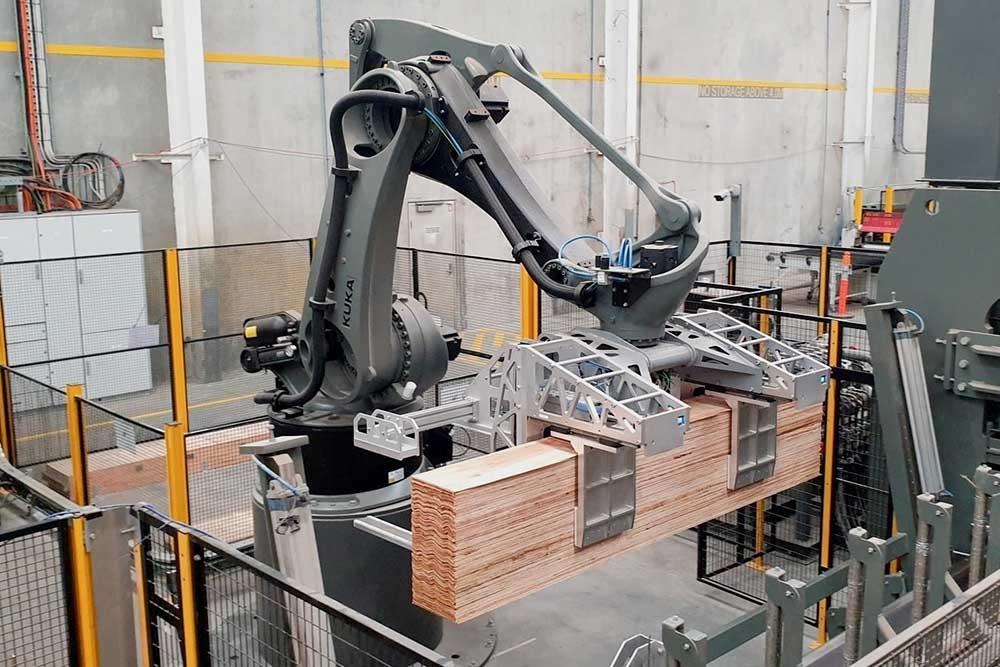
a machine lifting planks of wood

Rethinking timber for a circular future

  • Case study
  • Environment
06 November 2026
curlew sandpipers

Protecting SA from feral pests

  • Case study
  • Environment
29 October 2026
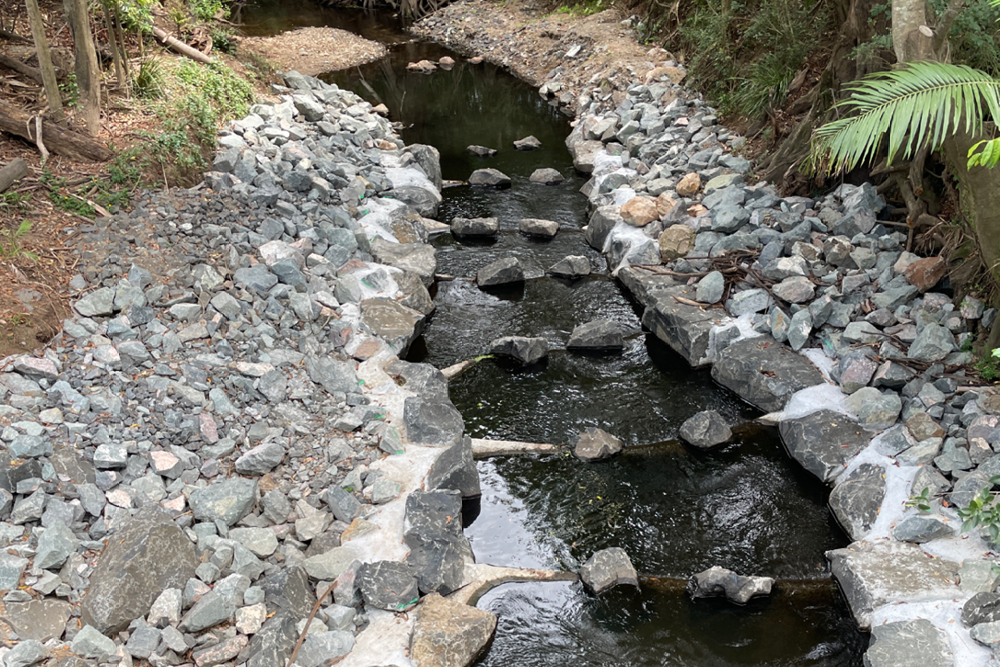
decorative

Overcoming barriers for native fish in Petrie Creek

  • Case study
  • Environment
20 October 2026
All news
Thanks for your feedback.
Thanks! Your feedback has been submitted.

We aren't able to respond to your individual comments or questions.
To contact us directly phone us or submit an online inquiry

CAPTCHA
This question is for testing whether or not you are a human visitor and to prevent automated spam submissions.

Please verify that you are not a robot.

Skip
dcceew energy art

Footer

  • Contact us
  • Accessibility
  • Disclaimer
  • Privacy
  • FOI
  • Copyright
Last updated: 10 July 2026
DCCEEW footer 06.02.2024

Connect with us

Facebook Instagram LinkedIn

We acknowledge the Traditional Owners of Country throughout Australia and recognise their continuing connection to land, waters and culture. We pay our respects to their Elders past and present.

© Department of Climate Change, Energy, the Environment and Water