Skip to main content Skip to main navigation Skip to page navigation Skip to search
Home

Top navigation main

  • News & media
  • Jobs
  • Ministers
  • Contact us
Main menu

AWE Main

  • Climate change
    Climate change Driving climate action, science and innovation so we are ready for the future.
    • Climate science and adaptation
    • Australia's climate change action
    • Reducing emissions
    • Emissions reporting
    • International climate action
    • Climate Active
    • Climate change publications and data
    • Australia’s National Greenhouse Accounts (Emissions Data)
  • Energy
    Energy Building a secure and sustainable energy system for all Australians.
    • Australia's energy strategies and frameworks
    • Energy and Climate Change Ministerial Council
    • Renewable energy
    • Reducing transport emissions
    • Energy data
    • Energy efficiency
    • Energy markets
    • Energy programs
    • Energy security
    • Energy supply
    • Energy workforce
    • Women in energy
    • International activity
    • Energy publications
  • Environment
    Environment Improving stewardship and sustainable management of Australia’s environment.
    • Biodiversity
    • EPBC Act
    • Environment Information Australia
    • Environmental markets
    • International environment
    • Invasive species
    • Land
    • Marine
    • Protection
    • Report a breach of environment law
    • Threatened species & ecological communities
    • Waste and recycling
    • Wildlife trade
  • Water
    Water Improving the sustainable management of Australia’s water supply for industry, the environment and communities.
    • Coal, Coal seam gas (CSG) and water
    • Commonwealth Environmental Water Holder
    • National Water Grid
    • Water policy and resources
    • Wetlands
    • Publications
  • Parks and heritage
    Parks and heritage Managing Australia’s iconic national parks, historic places and living landscapes.
    • Australian Marine Parks
    • Australian National Botanic Gardens
    • Booderee National Park
    • Kakadu National Park
    • Christmas Island National Park
    • National parks
    • Norfolk Island National Park
    • Heritage
    • Pulu Keeling National Park
    • The Great Barrier Reef
    • Uluṟu-Kata Tjuṯa National Park
  • Science and research
    Science and research Undertaking research and collecting data to support informed decisions and policies.
    • Climate change
    • Australia's biological resources
    • Australian Biological Resource Study (ABRS)
    • Bird and bat banding
    • Supervising Scientist
  • About us
    About us We lead Australia’s response to climate change and sustainable energy use, and protect our environment, heritage and water.
    • Accountability and reporting
    • Assistance, grants and tenders
    • Contact us
    • Fees and charges
    • News and media
    • Publications
    • Our commitment to you
    • People and jobs
    • What we do
    • Who we are
    • Initiatives
  • Online services
    Online services We do business with you using online platforms. This makes it easier for you to meet your legal requirements.
Department of Climate Change, Energy, Enviroment and Water

Breadcrumb

  1. Home
  2. About us
  3. News and media
  4. Tracking environmental change
Skip to main content

Back to news - AWE

  • Back to news
Skip to page navigation

Tracking environmental change

  • Video
  • Environment
  • Environment Information Australia
15 October 2026
decorative

New technologies and monitoring methods helped track environmental change. Better information helped support a faster response when problems arose.

eDNA data reveals endangered birds of a feather flock together.

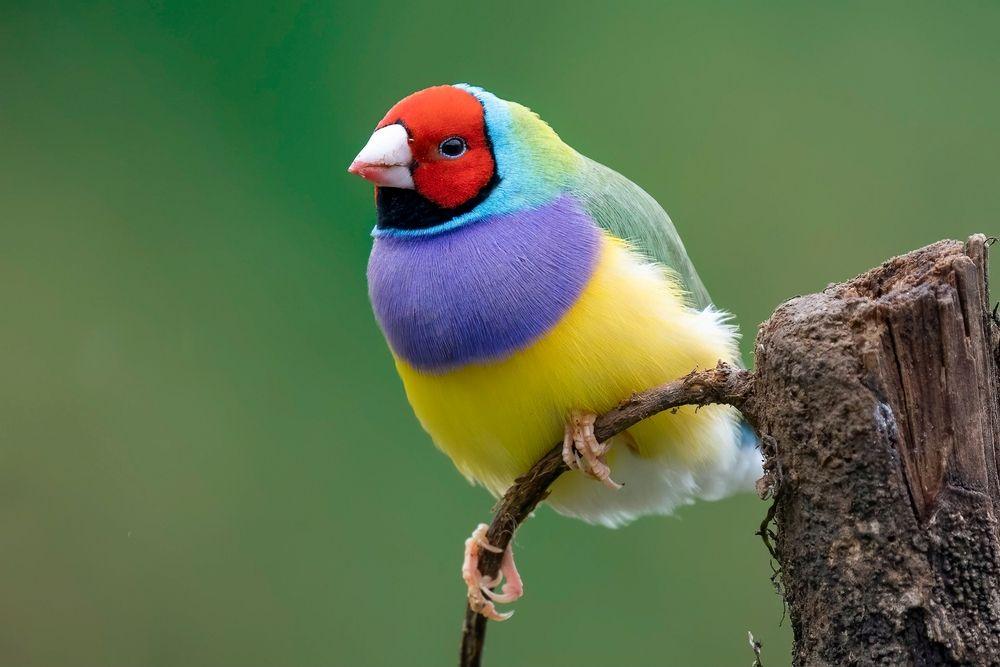
Environmental DNA has proven to be an efficient way to detect the presence of an endangered bird species such as the Gouldian Finch.

The government is committed to our threatened species by investing in the latest technology, environmental DNA can help us find where the Gouldian Finches are living to carefully manage their habitats.

This DNA technique means that just a cupful of water collected from a natural pool can show whether Gouldian Finches occupy the area, saving hours of research for our scientists.

The National Environmental Science Program continues to deliver practical results on ground for our threatened species.

Read more

  • Developing eDNA methods to detect Top End animals
  • National Environmental Science Program - Phase 1
  • NESP News
  • Share on Facebook
  • Share on LinkedIn
  • Email
  • Copy link

Related

decorative

Preparing for climate change

  • Video
  • Environment
11 October 2026
decorative

Healthier reefs and oceans

  • Video
  • Environment
11 October 2026
decorative

Protecting threatened species

  • Video
  • Environment
11 October 2026
All news
Thanks for your feedback.
Thanks! Your feedback has been submitted.

We aren't able to respond to your individual comments or questions.
To contact us directly phone us or submit an online inquiry

CAPTCHA
This question is for testing whether or not you are a human visitor and to prevent automated spam submissions.

Please verify that you are not a robot.

Skip
dcceew energy art

Footer

  • Contact us
  • Accessibility
  • Disclaimer
  • Privacy
  • FOI
  • Copyright
Last updated: 20 October 2026
DCCEEW footer 06.02.2024

Connect with us

Facebook Instagram LinkedIn

We acknowledge the Traditional Owners of Country throughout Australia and recognise their continuing connection to land, waters and culture. We pay our respects to their Elders past and present.

© Department of Climate Change, Energy, the Environment and Water