Skip to main content Skip to main navigation Skip to page navigation Skip to search
Home

Top navigation main

  • News & media
  • Jobs
  • Ministers
  • Contact us
Main menu

AWE Main

  • Climate change
    Climate change Driving climate action, science and innovation so we are ready for the future.
    • Climate science and adaptation
    • Australia's climate change action
    • Reducing emissions
    • Emissions reporting
    • International climate action
    • Climate Active
    • Climate change publications and data
    • Australia’s National Greenhouse Accounts (Emissions Data)
  • Energy
    Energy Building a secure and sustainable energy system for all Australians.
    • Australia's energy strategies and frameworks
    • Energy and Climate Change Ministerial Council
    • Renewable energy
    • Reducing transport emissions
    • Energy data
    • Energy efficiency
    • Energy markets
    • Energy programs
    • Energy security
    • Energy supply
    • Energy workforce
    • Women in energy
    • International activity
    • Energy publications
  • Environment
    Environment Improving stewardship and sustainable management of Australia’s environment.
    • Biodiversity
    • EPBC Act
    • Environment Information Australia
    • Environmental markets
    • International environment
    • Invasive species
    • Land
    • Marine
    • Protection
    • Report a breach of environment law
    • Threatened species & ecological communities
    • Waste and recycling
    • Wildlife trade
  • Water
    Water Improving the sustainable management of Australia’s water supply for industry, the environment and communities.
    • Coal, Coal seam gas (CSG) and water
    • Commonwealth Environmental Water Holder
    • National Water Grid
    • Water policy and resources
    • Wetlands
    • Publications
  • Parks and heritage
    Parks and heritage Managing Australia’s iconic national parks, historic places and living landscapes.
    • Australian Marine Parks
    • Australian National Botanic Gardens
    • Booderee National Park
    • Kakadu National Park
    • Christmas Island National Park
    • National parks
    • Norfolk Island National Park
    • Heritage
    • Pulu Keeling National Park
    • The Great Barrier Reef
    • Uluṟu-Kata Tjuṯa National Park
  • Science and research
    Science and research Undertaking research and collecting data to support informed decisions and policies.
    • Climate change
    • Australia's biological resources
    • Australian Biological Resource Study (ABRS)
    • Bird and bat banding
    • Supervising Scientist
  • About us
    About us We lead Australia’s response to climate change and sustainable energy use, and protect our environment, heritage and water.
    • Accountability and reporting
    • Assistance, grants and tenders
    • Contact us
    • Fees and charges
    • News and media
    • Publications
    • Our commitment to you
    • People and jobs
    • What we do
    • Who we are
    • Initiatives
  • Online services
    Online services We do business with you using online platforms. This makes it easier for you to meet your legal requirements.
Department of Climate Change, Energy, Enviroment and Water

Breadcrumb

  1. Home
  2. Environment
  3. International wildlife trade
  4. Convention on International Trade in Endangered Species of Wild Fauna And Flora (CITES)
  5. Australian Wildlife Traceability System
Skip to main content

Sidebar first - EN - Wildlife trade

  • Internationally endangered plants and animals (CITES)
    • Australian Wildlife Traceability System
    • African lion items
    • CITES timber species
      • Brazilwood
    • Elephant and rhino products
Skip to page navigation

Australian Wildlife Traceability System

Last updated: 05 November 2026

The National Environmental Protection Agency was established on 1 July 2026.

Relevant content will move to the new National EPA website.

Industry participants and regulators can register for AWTS.

Already registered? Access the AWTS platform.

Any trade in Australian species must follow CITES (an international agreement that protects endangered plants and animals) and Australia’s EPBC Act (the national environment law). Trade must be legal, sustainable and traceable.

The Australian Wildlife Traceability System (AWTS) is a secure digital traceability platform. It helps authorities track CITES-listed species through the supply chain and confirm where they came from and where they are going.

AWTS enables businesses to prove the origin of traded wildlife. Turning record keeping into a demonstration of stewardship.

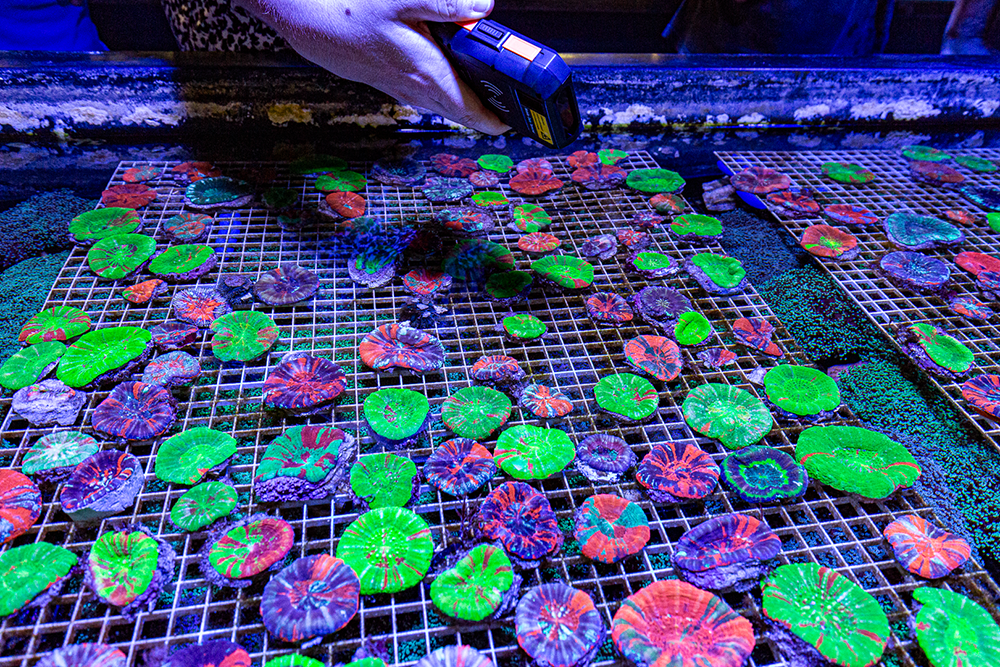
AWTS – A world first coral traceability solution

AWTS has been designed with government, industry, scientists to make it easier to see what happens at each step of the supply chain. The platform will:

  • support transparency and increased oversight of coral trade
  • track and trace specimens through the supply chain
  • provide confidence and assurance to domestic and international markets
  • support compliance with Australian and international trade requirements

How AWTS works

AWTS uses secure tagging technology to give each coral a unique digital ID. This ID lets people track and check each coral. When they scan it, fishers, researchers, regulators and wholesale customers can:

  • check where the coral came from
  • tell wild coral apart from coral grown in land-based farms (aquaculture)
  • follow the coral through a trusted supply chain

The system makes it easier to keep records, prepare export documents and meet CITES requirements.

Why coral traceability matters

CITES is an international agreement that helps to protect corals and other wild species, to make sure trade is not harm wild populations. Before coral can be sold overseas, countries must show that it was collected legally, managed sustainably and has the right paperwork.

AWTS helps meet these requirements by creating a digital record for every coral. The record stays with the coral as it moves through the supply chain, so it is easier to see where it came from and who owns it.

Supporting legal, sustainable and traceable coral trade

Australia is committed to making sure wildlife trade is sustainable and follows national and international rules. AWTS supports this by helping confirm that coral was either collected legally from the wild or produced by approved captive breeding operations which can reproduce, fragment and grow coral, rather than collecting it from the wild.

The system provides reliable evidence for CITES requirements. It also encourages responsible trade across the aquarium industry.

AWTS development 

AWTS was developed with OriginsNext, and is an Australian-built platform. It was funded by the Australian Government’s Reef Trust.
News and video

decorative

Australian Wildlife Traceability System

  • Video
  • Environment
05 November 2026
All news and media
Thanks for your feedback.
Thanks! Your feedback has been submitted.

We aren't able to respond to your individual comments or questions.
To contact us directly phone us or submit an online inquiry

CAPTCHA
This question is for testing whether or not you are a human visitor and to prevent automated spam submissions.

Please verify that you are not a robot.

Skip
dcceew energy art

Footer

  • Contact us
  • Accessibility
  • Disclaimer
  • Privacy
  • FOI
  • Copyright
Last updated: 05 November 2026
DCCEEW footer 06.02.2024

Connect with us

Facebook Instagram LinkedIn

We acknowledge the Traditional Owners of Country throughout Australia and recognise their continuing connection to land, waters and culture. We pay our respects to their Elders past and present.

© Department of Climate Change, Energy, the Environment and Water